

























Alternatives to Sleepaway Camp
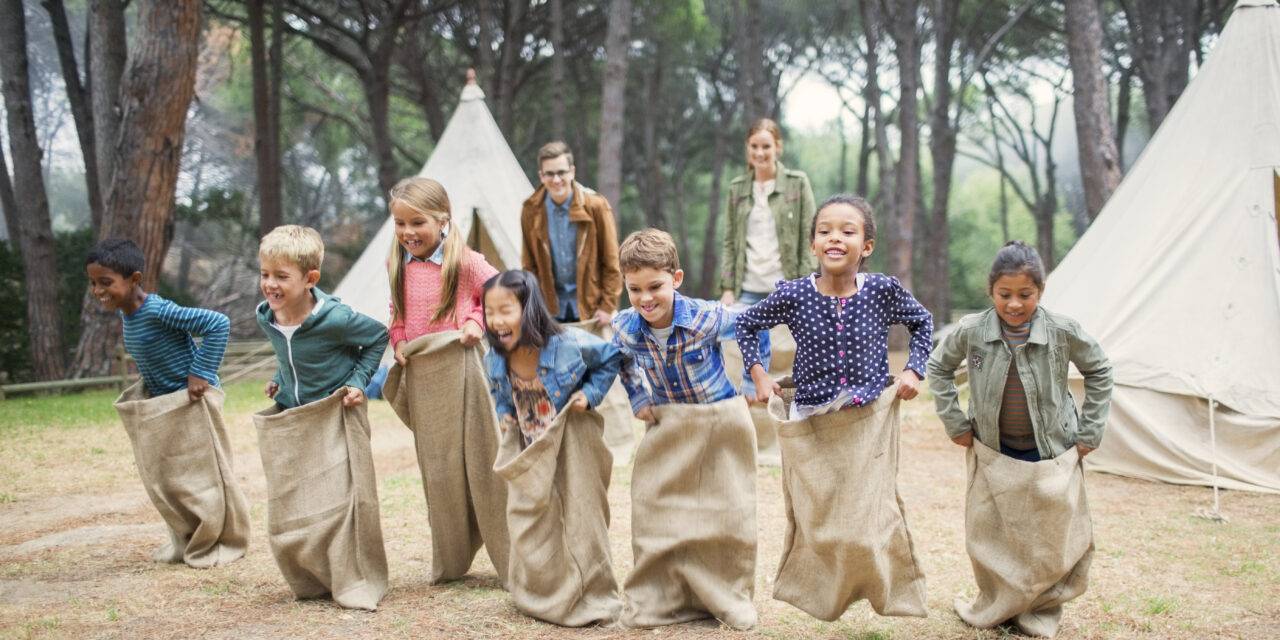
Sending a child to a sleepaway camp is a big step for many families. While many kids have fun going to sleepaway camp in the summer, it isn’t the right choice for everyone. There many reasons it may not be the best fit for a family such as a child not being ready, finances, medical concerns, and personal reasons.
Thankfully, there are plenty of other options that will help your child learn, meet new friends, and most importantly, have fun.
Day Camp
Many families opt to send their kids to a day camp. It is set up just like a sleepaway camp, except the kids come home every day to sleep. Day camps vary in length, but are often Monday through Friday, lasting a week at a time. The schedule typically follows an extended school day schedule starting in the morning and finishing in the late afternoon. Some day camps even provide transportation.
The activities at day camp can vary. Traditional camp settings offer many of the things people think of when camp comes to mind. Things like swimming, arts and crafts, games, and hiking are common.
Some camps offer specialized activities as well. These can range from archery and riflery to boating and waterskiing. Meals may be included, but each camp varies. If kids bring their meals, this can be a great alternative for families concerned about food allergies as all your child’s food comes from home.
Specialty Programs
A growing trend is a program that offers specialized content to kids during the summer. These can be similar to a day camp program or just for a few hours each week. The time at a specialty program allows kids to explore a specific topic or interest for the whole time they participate.
STEM (science, technology, engineering, and mathematics), art, music, athletic, and hobby programs are great ways for your child to learn and connect with other kids with similar interests. Some kids thrive in specialty programs because they are given the opportunity to explore in depth. These programs can be sponsored locally. Colleges and universities are also great places to find specialty summer programs for kids of all ages.
Local Resources
Sometimes families need a more flexible option that is local and more affordable. Looking at local resources such as public school-sponsored programs, libraries, museums, churches, recreation departments, and nature centers offer a wealth of opportunities for kids in the summer.
The possibilities vary but can include things like a summer book club, lego club, volunteering at an animal shelter or organization, VBS, writing club, farm help, state park programs, craft times, zoo programs, and more.
Utilizing local resources is a great way for kids to explore a variety of things. This option does require a bit more legwork to plan, but can be a very economical and fruitful possibility.
Create a Camp with Other Families
A creative way to foster summer fun with other kids might be in your backyard. This works when multiple families create a plan and schedule to share the responsibilities and reap the benefits of summer camp for their kids.
Each family is responsible for a specific time. This could be a whole day, part of a day, or any arrangement that works for everyone. On a family’s designated day, all the kids go to that house and participate in activities. These could be things like playing outside, swimming, crafts, games, science experiments, cooking, and more.
The other parents simply drop their kids off and pick them up at the predetermined times while the host family handles all the kids’ activities for that day. This is a great option for people who need some time to work or run errands sans kids. The days you host will be busy, but you will have free time when the other families host.
Family Member Camp
A simple, fun alternative to a structured program is to assign a certain day every week or even a whole week for your kids to spend with a close family member. Extended family like grandparents often look forward to some special time with the kids to go places, bake, play, and explore.
This is a wonderful way to help your child connect more with their family members. It fosters relationships beyond what kids find when the whole family is together as it provides dedicated time for them with a family member.
Rebecca Hastings is a freelance writer specializing in parenting and education. Her training in Educational Psychology and Elementary Education combined with her personal experience as a mother of three gives her a trustworthy perspective.